Hand, Foot and Mouth: What to Feed a Child With a Sore Mouth
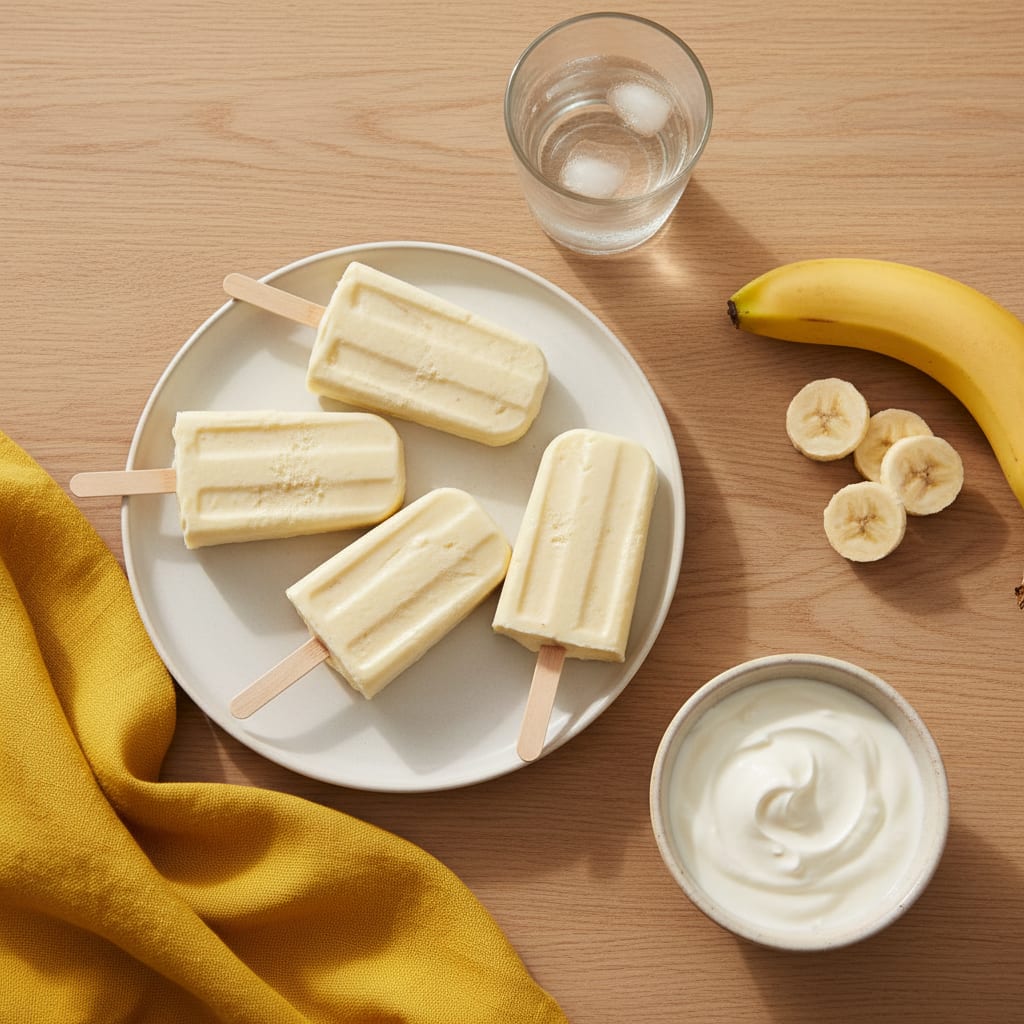
When hand, foot and mouth disease makes eating hurt, fluids matter more than food. Offer cool drinks little and often: water, milk, homemade ice pops. Then add soft, cool, bland food like yogurt, mashed banana and lukewarm mashed potato. Skip anything acidic, salty, spicy, hot or crunchy. The NHS gives that advice almost word for word, and the CDC warns that mouth sores can make swallowing so painful that some children, especially young ones, get dehydrated. A few days of eating very little is normal. Drinking very little is the thing to watch.
What the week usually looks like
The CDC says children often get a fever and other flu-like symptoms 3 to 5 days after they catch the virus. Early signs include “eating or drinking less” and a sore throat. Mouth sores follow, usually starting as small red spots on the tongue and inside the mouth, which “blister and can become painful.” A rash on the palms and soles comes after that.
The AAP’s HealthyChildren site says symptoms are worst in the first few days and usually gone within a week. The NHS puts full recovery at 7 to 10 days. So the food problem is mostly a two- to four-day problem, and you are planning for those days, not for a whole new diet.
Drinks first: getting fluid in
The NHS advice for symptoms starts with fluids: “drink cool fluids to soothe the mouth and prevent dehydration (but avoid acidic drinks, such as fruit juice).” HealthyChildren is just as direct: children with the illness “need to drink plenty of fluids.”
What goes down most easily:
- Cold water, offered in small sips, often, rather than a big cup they will refuse.
- Cold milk. It is fluid and food at once on a day when the plate goes untouched.
- Homemade ice pops. They are fluid that soothes the sores on the way down. Blend plain yogurt with a ripe banana and a splash of milk, pour it into small ice pop molds, and freeze overnight. A pop counts toward the day’s fluid and gives a child who will not drink something to do.
- Thin smoothies of milk, yogurt, banana and a spoonful of peanut butter for a child old enough for it. Thin enough to sip.
Leave out orange, apple, grape and lemonade-style drinks this week. Juice is acidic, the NHS specifically says to avoid acidic drinks, and anyone who has had a mouth ulcer knows why.
Soft, cool foods that a sore mouth will take
Cool and soft, bland, and no chewing needed. The NHS says to “eat soft foods like yoghurt and avoid hot, salty and spicy foods.”
| Food | Why it works | Make it easier |
|---|---|---|
| Plain yogurt or kefir | Cool, no chewing, some protein | Straight from the fridge; skip fruit-on-the-bottom with citrus |
| Mashed banana | Soft, mild, not acidic | Mash with a spoon of yogurt to loosen it |
| Mashed potato | Filling, bland | Serve lukewarm, made with milk and butter, light on salt |
| Soft scrambled eggs | Protein that slides down | Cook soft, let them cool to warm |
| Plain pasta or butter noodles | Familiar comfort food | Small shapes, cooked soft, lukewarm, no tomato sauce |
| Oatmeal | Smooth and easy to swallow | Made with milk, cooled to barely warm |
| Avocado | Soft, filling | Mashed, no lime or salt |
| Cottage cheese | Cool, soft, high in protein | Small-curd, plain |
| Pudding or custard | A treat that counts as calories | Fridge-cold |
| Applesauce | Smooth | Some children find even apple stings; try a spoonful first |
Our butter noodles are the plain-pasta version, made milder this week with less salt and served lukewarm. If you have a baby who is also teething, the cold-and-soft logic in our teething and growth spurt week post applies too.
What to hold back until the sores heal
- Acidic foods: tomato sauce, citrus, pineapple, berries, ketchup, vinegar dressings.
- Salty foods: chips, crackers, pretzels, salted broth. The NHS names salty foods specifically.
- Spicy foods: anything with chili, hot sauce or pepper.
- Hot foods: let everything cool to lukewarm or colder before serving.
- Crunchy and sharp textures: toast crusts, granola, raw carrots and crisp crackers scrape the sores.
Is enough going in? The signs to watch
Food can wait a few days. Fluid cannot, so watch the diapers and bathroom trips more than the plate. HealthyChildren lists the warning signs of dehydration and says to tell your pediatrician immediately if any develop:
- Mild to moderate: playing less than usual; peeing less often (for babies, fewer than six wet diapers a day); a parched, dry mouth; fewer tears when crying; a sunken soft spot on the head in a baby or toddler.
- Severe: very fussy; excessively sleepy; sunken eyes; cool, discolored hands and feet; wrinkled skin; peeing only once or twice a day.
The NHS says to ask for an urgent appointment or call 111 if a child with hand, foot and mouth “is peeing less than usual (they may be becoming dehydrated).” HealthyChildren says to call your pediatrician now, or go to the ER, if you suspect dehydration.
Pain relief and the broken nights
The NHS and HealthyChildren both name paracetamol (acetaminophen) or ibuprofen to ease the fever and sore mouth, and the CDC mentions over-the-counter medicines for fever and discomfort. Ask your pediatrician or pharmacist which one and how much for your child’s age and weight. HealthyChildren adds that for children over 1, there are liquid mouth-soothing remedies to ask your doctor about, and warns not to use regular mouthwash, because it stings.
Nights tend to be worst in the first few days, when the sores hurt most. A cool drink as part of the bedtime routine is worth a try, and it is worth asking your pediatrician how to time pain relief around bedtime. Expect extra wake-ups and give extra comfort. Betteroo’s guide to helping a little one sleep through an illness covers which habits to relax and which to keep, and it is clear that safe sleep rules still apply to a sick baby.

Keeping it out of the rest of the family
It spreads easily, and the kitchen is where it gets passed around. The NHS says it is spread in coughs, sneezes, poo and the fluid in the blisters, and advises not sharing towels or household items “like cups or cutlery.” HealthyChildren adds washing hands after diaper changes, and keeping siblings from sharing cups and utensils. In practice, that means the sick child gets their own cup and spoon for the week, washed separately, and everyone washes hands before touching food.
When to call the doctor
The CDC says to see a healthcare provider if your child:
- cannot drink well and you are worried they are dehydrated
- has a fever that lasts longer than 3 days
- has a weakened immune system
- is having severe symptoms
- has symptoms that do not improve after 10 days
- is very young, especially younger than 6 months
FAQ
What should a child with hand, foot and mouth eat?
Soft, cool, bland food: yogurt, mashed banana, lukewarm mashed potato, soft scrambled eggs, plain pasta, oatmeal cooled down, pudding. The NHS advises soft foods like yogurt and avoiding hot, salty and spicy food. Drinks matter more than food for these few days.
Are popsicles good for hand, foot and mouth?
Yes, as long as they are not made from acidic fruit juice. Cold pops soothe the mouth and count as fluid. Homemade ones made from yogurt, banana and milk avoid the acid that makes sores sting.
Can kids drink juice with hand, foot and mouth?
Better not. The NHS says to avoid acidic drinks such as fruit juice, because they sting the sores. Cold water and milk are better choices.
How long will my child not want to eat?
The first few days are usually the worst. HealthyChildren says symptoms are worst early and usually gone within a week. Appetite typically comes back as the sores heal. Keep the focus on fluids until it does.
When is hand, foot and mouth an emergency?
Call your pediatrician now or go to the ER if you think your child is dehydrated: peeing much less, a dry mouth, no tears, unusual sleepiness, or sunken eyes. Also call for a fever lasting more than 3 days, or if a baby under 6 months has it.
✳ More From the Kitchen
Lunchbox & Kids

Freezer & Meal Prep