Night Weaning a Toddler Who Still Wants Milk at 2am
A toddler asking for milk at 2 a.m. is usually asking for comfort and habit rather than calories — but before you night wean, move the calories they’re getting overnight into dinner and a real bedtime snack, and cut daytime milk back so food has somewhere to go. Most toddlers past their first birthday don’t need a feed overnight to meet their needs, and the ones who wake for one are typically waking anyway and using the milk to get back to sleep. Food isn’t the whole answer. But when a night wean stalls, the daytime plate is usually the part nobody adjusted.
Look at the whole day’s milk first
Toddlers drink more milk than most of us realize, and the usual guidance lands at roughly two to three cups a day from about twelve months. Past that, milk starts doing something unhelpful: it’s filling, it’s sweet, it arrives with no chewing required, and a child who has had four or five cups across the day has genuinely less appetite for dinner. Then dinner goes uneaten, and the 2 a.m. cup is doing real work.
So the first move isn’t the night at all. It’s this:
- Count the day’s total, including sippy cups carried around the house between meals.
- Take milk off the between-meals slots. Water between meals, milk with meals.
- Stop the cup in the car and the stroller. Grazing on milk is the single biggest appetite killer we’ve seen at our own table.
- Keep the bedtime cup for now. Change one thing at a time.
Two or three weeks of that alone often shifts how much dinner gets eaten, which shifts what 2 a.m. is actually about.
Make dinner and the bedtime snack do more
If you’re going to remove a night feed, the calories have to live somewhere. Dinner at 5:30 followed by a bath and lights out at 7 leaves a long gap, and toddlers have small stomachs.
What helps at dinner: fat and protein alongside the carbohydrate, because they slow everything down. Butter on the pasta, full-fat yogurt, avocado, cheese, eggs, peanut butter, olive oil on the vegetables. A plate of plain pasta at 5:30 is empty by 10.
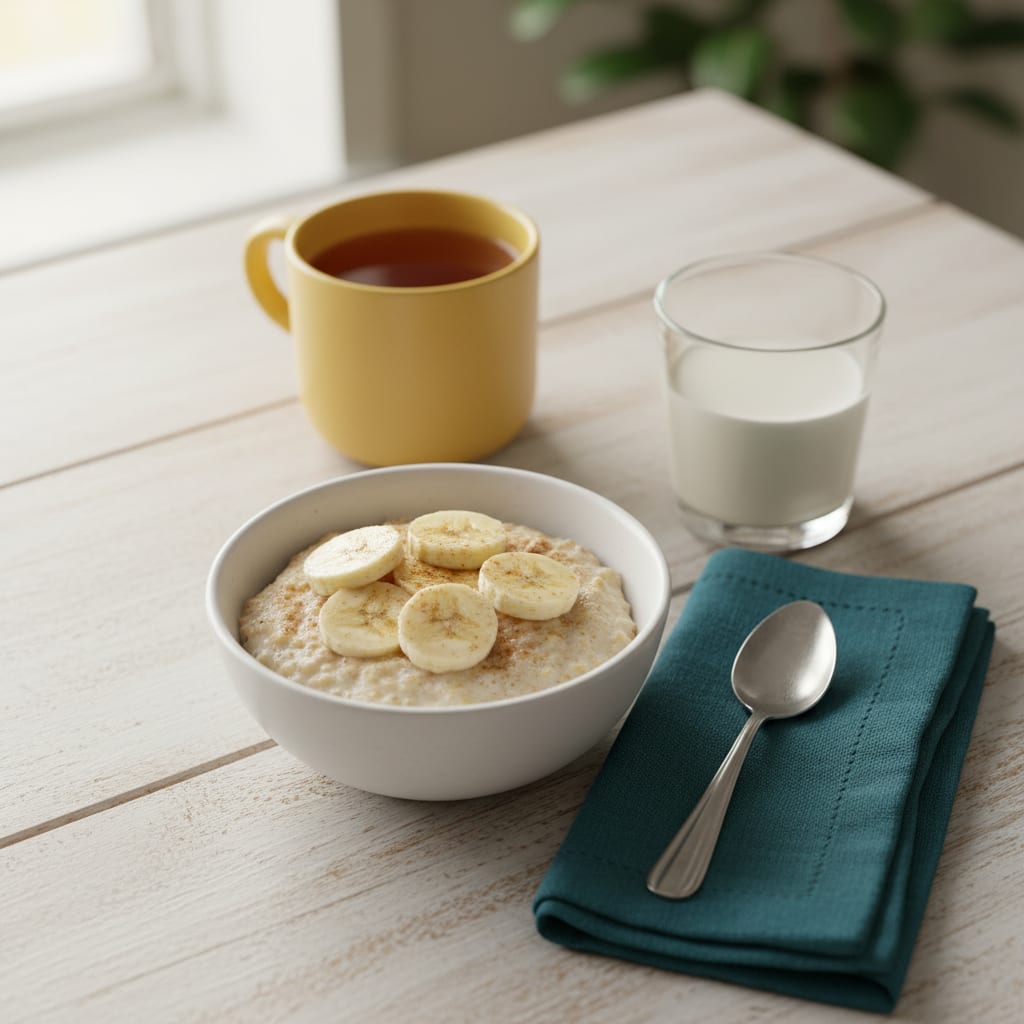
What helps at bedtime: a genuine snack about 30 to 45 minutes before bed, not a token biscuit. Our favourites are the boring ones — oatmeal made with milk, yogurt with banana, cheese on toast, a nut butter sandwich cut small, or a bowl of cereal with whole milk. Serve it at the table, not in bed, so it doesn’t become part of the sleep routine you’re about to change.
What doesn’t help: anything sugary right before bed, and a snack so large it delays bedtime and pushes an already-tired toddler past their window.
If dinner is regularly a battle rather than a portion problem, the plates in our toddler lunch ideas work equally well at 5:30, and the self-serve tiers in our after-school snacks post cover that dangerous stretch between the last nap and dinner when a milk cup is the easiest thing to hand over.
A gradual swap that doesn’t blow up bedtime
Once the daytime is sorted, the night part can be genuinely undramatic if you do it slowly. The version that works for most families is a taper rather than a stop:
- Fix the amount. Whatever they currently take, decide the number and stick to it for three nights so it stops being negotiable.
- Reduce every third night — an ounce or two less in the bottle, or a minute or two less at the breast. Small enough that no single night feels like a loss.
- Water down, or don’t. Some toddlers accept diluted milk and lose interest; others treat it as a betrayal. It’s worth one try.
- Move the comfort to something else as the volume falls: the same words every time, a hand on the back, a lovey. The milk was doing two jobs, and only one of them was food.
- Hold the last small amount for a few nights, then drop it. The final ounce is usually less of an event than parents brace for.
Expect three or four rough nights around the drop, and expect a partner to have an easier time of it than the parent who has been breastfeeding — that’s not a coincidence, it’s the cue.
There’s a fuller sleep-side walkthrough of this in Betteroo’s step-by-step guide to dropping night feeds, including how to handle the protest and what to do when one night goes badly.
When it isn’t hunger and isn’t habit
Some 2 a.m. waking has nothing to do with either. If the waking started suddenly in a child who was sleeping through, look at the obvious suspects before you change anything about food: teeth, illness, a room that’s too warm, a new bed, a new sibling, or a developmental leap. Around the two-year mark there’s a well-documented rough patch that shows up as night waking and bedtime resistance in children who had neither the month before — Betteroo’s write-up of the two-year sleep regression is a good check on whether that’s what you’re in.
Night weaning during any of those is swimming uphill. Wait a fortnight and start again.

The honest limits of food
We write about dinner here, so it’s worth being straight about what dinner can’t do. A bigger meal does not make a toddler sleep through. Plenty of well-fed toddlers wake at two in the morning, and plenty of lightly-fed ones don’t. What food does is remove hunger as a variable, so that when you do night wean, you’re not asking a genuinely hungry child to go without.
And a note that belongs on every page like this: if your toddler is losing weight, dropping off their growth curve, or the night waking comes with pain, reflux symptoms or anything that worries you, that’s a conversation with your pediatrician rather than a recipe problem. The same goes if they’re drinking a great deal of milk and eating almost nothing — that pattern can affect iron levels and is worth a proper check rather than a plate adjustment.
For the earlier version of this same question — the one that starts around six months, when solids arrive and everyone promises the nights will change — we wrote about what actually changes at night when solids start.
FAQ
Does a bigger dinner help a toddler sleep through the night?
It removes hunger as a cause, which matters if the plate has been light or milk has been crowding out food, but it doesn’t create sleep on its own. A dinner with fat and protein in it plus a real bedtime snack is the reasonable version; a huge meal at bedtime tends to backfire.
How much milk should a toddler drink a day?
The usual guidance is around two to three cups a day after the first birthday. Much more than that starts displacing food and, over time, can affect iron intake — which is why moving milk to mealtimes and offering water between meals is the first change worth making.
Does a toddler need to eat at 2am?
Generally no, past about a year, assuming they’re growing well and eating during the day. Most 2 a.m. feeds at that age are a sleep association rather than a nutritional need. Your pediatrician is the right person to confirm that for your child before you drop it.
What’s a good bedtime snack before night weaning?
Something with protein and fat about 30 to 45 minutes before bed: oatmeal with whole milk, yogurt with fruit, cheese on toast, or a small nut butter sandwich. Served at the table rather than in bed, so it doesn’t become part of the sleep routine.
How long does night weaning a toddler take?
With a gradual taper, usually one to three weeks, with three or four harder nights around the point the last feed drops. Going cold turkey can be faster but is generally louder, and it’s worth avoiding during illness, teething or a house move.
✳ More From the Kitchen

Lunchbox & Kids

Easy Dinners

Lunchbox & Kids