No, sugar does not make kids hyper, as far as the research can tell. When children, parents and researchers don’t know who had the sugar and who had a sugar-free placebo, the “sugar rush” disappears. What winds children up on a holiday is the holiday itself: the party, the cousins, the late night and the skipped nap. And a big part of what parents see is what they expect to see. So the cookies don’t need to be banned. What needs a plan is the evening around them, and that is mostly a kitchen job.
What the studies found
Most of the research was done in the 1990s, and it was done properly: blinded, with a placebo. Medical News Today’s review of the evidence walks through the main papers.
- A 1995 review in JAMA combined 23 experiments from 16 papers, all blinded and placebo-controlled. Its conclusion: sugar, mainly table sugar, “does not affect the behavior or cognitive performance of children.” The authors noted they could not rule out a “small effect”, and nothing like the effect many parents describe.
- A three-diet study put families through three diets in turn, three weeks each: one high in sugar and two sweetened with sugar substitutes, without telling anyone which was which. It included 23 children aged 6 to 10 whose parents described them as sugar-sensitive. For those children, the authors found “no significant differences among the three diets in any of 39 behavioral and cognitive variables.”
- A 2017 study of 287 children aged 8 to 12 looked at sleep as well as behavior, and concluded that “total sugar consumption was not related to behavioral or sleep problems.”
Mark Wolraich, the pediatrician who led much of this work, put it simply to Live Science: “Sugar does not appear to affect behavior in children.” He also said the statistician on the 1995 review “had never had such consistently negative results.”
One honest caveat. Medical News Today notes that research on children with ADHD is less settled than for children in general. If your child has ADHD and you see a pattern with certain foods, that is a conversation for their doctor, not a blog post.
So why does it look so real?
Two reasons, and both are worth knowing before the holidays.
The setting. Sugar shows up at birthday parties, at Halloween, on Christmas Eve and at Grandma’s on Thanksgiving. Those are exactly the days children are already excited, up late, off their usual schedule and surrounded by other children. Wolraich told Live Science that parents’ ideas “are reinforced by seeing it in those circumstances.” The cake gets the blame for what the party did.
Our expectations. In a 1994 study, 35 boys aged 5 to 7 were all given a sugar-free drink. Half their mothers were told their sons had just had a big dose of sugar. Those mothers rated their sons as more hyperactive, and on video they stayed closer to their sons and were more likely to criticize them, look at them and talk to them. The boys had all had the same drink. The difference was in what the mothers believed.
That second study is the useful one for a parent. If you expect a wild evening after dessert, you will watch for it, and you may find it.
What can keep kids up after a holiday treat
Sugar is off the hook for hyperactivity, but a few things that come with holiday treats really can make bedtime harder.
- Chocolate has a little caffeine, and so do some sodas and iced teas. It is a small amount, and it adds up in a small body. Our guide to hidden caffeine in kids’ food lists where it turns up.
- A late, heavy dinner, or treats eaten instead of dinner, can leave a child either overfull or hungry at bedtime. Our post on whether turkey makes kids sleepy covers what a big holiday meal really does.
- The day’s schedule. A nap missed for a party and a bedtime pushed late will do more to an evening than any cookie.
- Teeth. Sugar still matters for teeth, which is a reason to brush after the last treat of the day, not to skip it.
A calm holiday-treat plan, from the kitchen
These are our own rules of thumb from a lot of holiday evenings, not medical guidance.
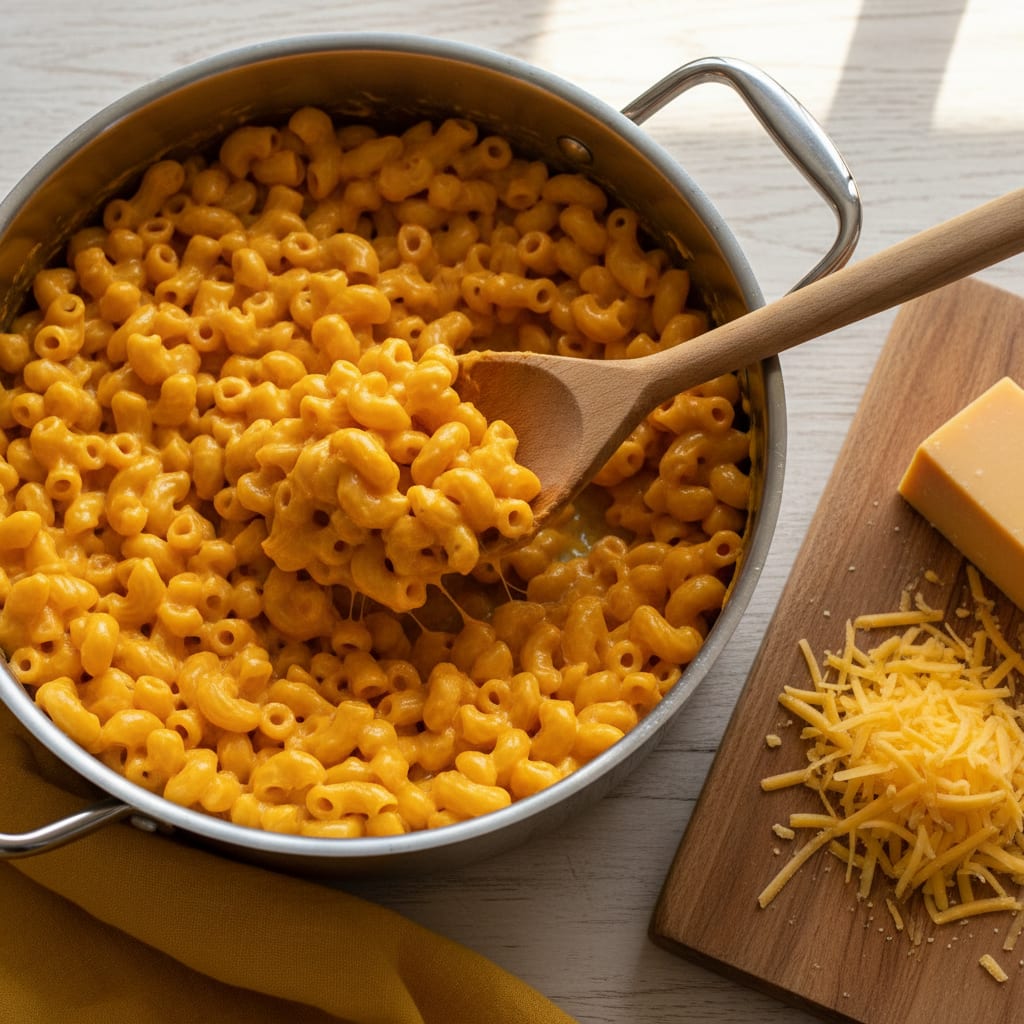
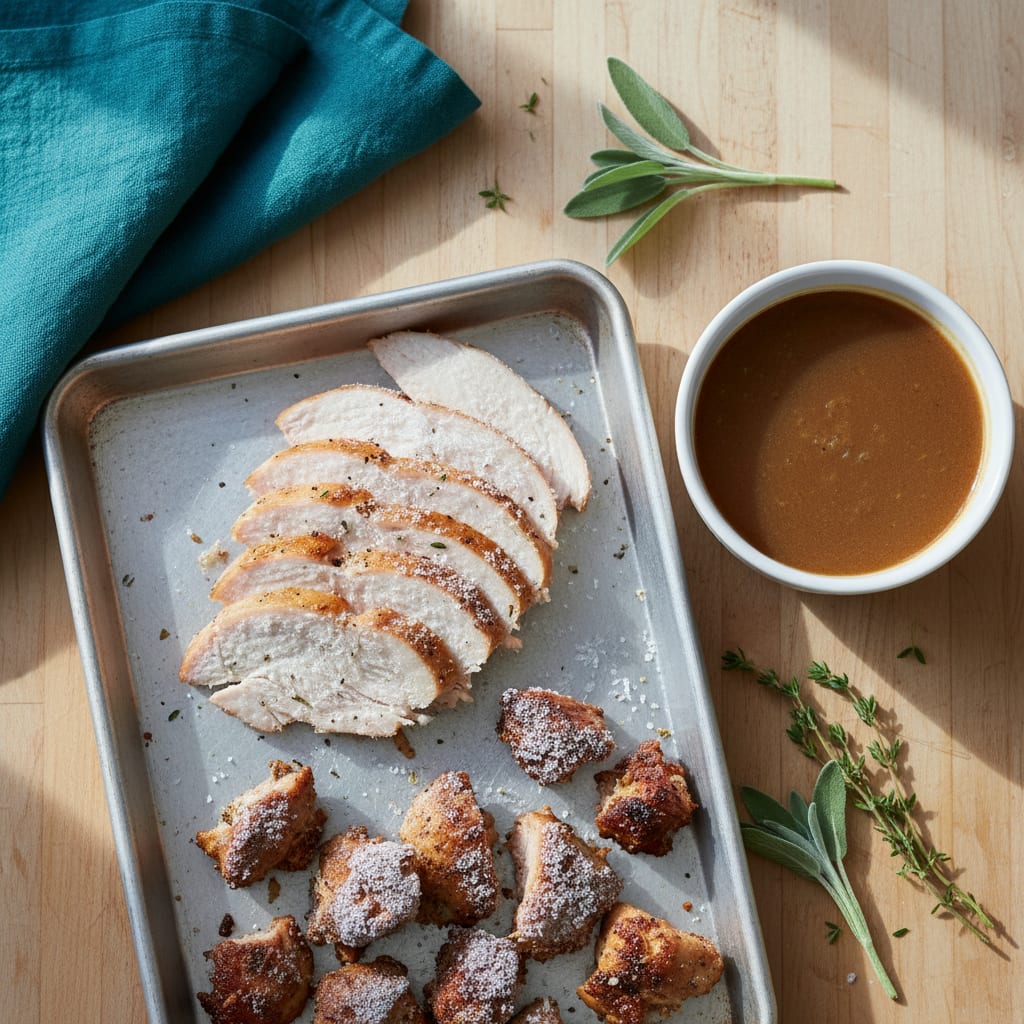
Serve treats with or after a real meal. A cookie after dinner is dessert. Five cookies at 4 p.m. on an empty stomach is dinner, and then nobody wants the actual dinner. Put protein and a starch on the table before the sweets come out.
Move dessert earlier, not later. If the party runs late, offer the cake or the pie at 5 or 6 rather than at 8. It leaves time for the excitement of the treat itself to wear off before bed.
Keep the evening sweets small and plain. On Christmas Eve or after trick-or-treating, two or three pieces chosen by your child, then the rest go away until tomorrow. Choosing is half the fun for them.
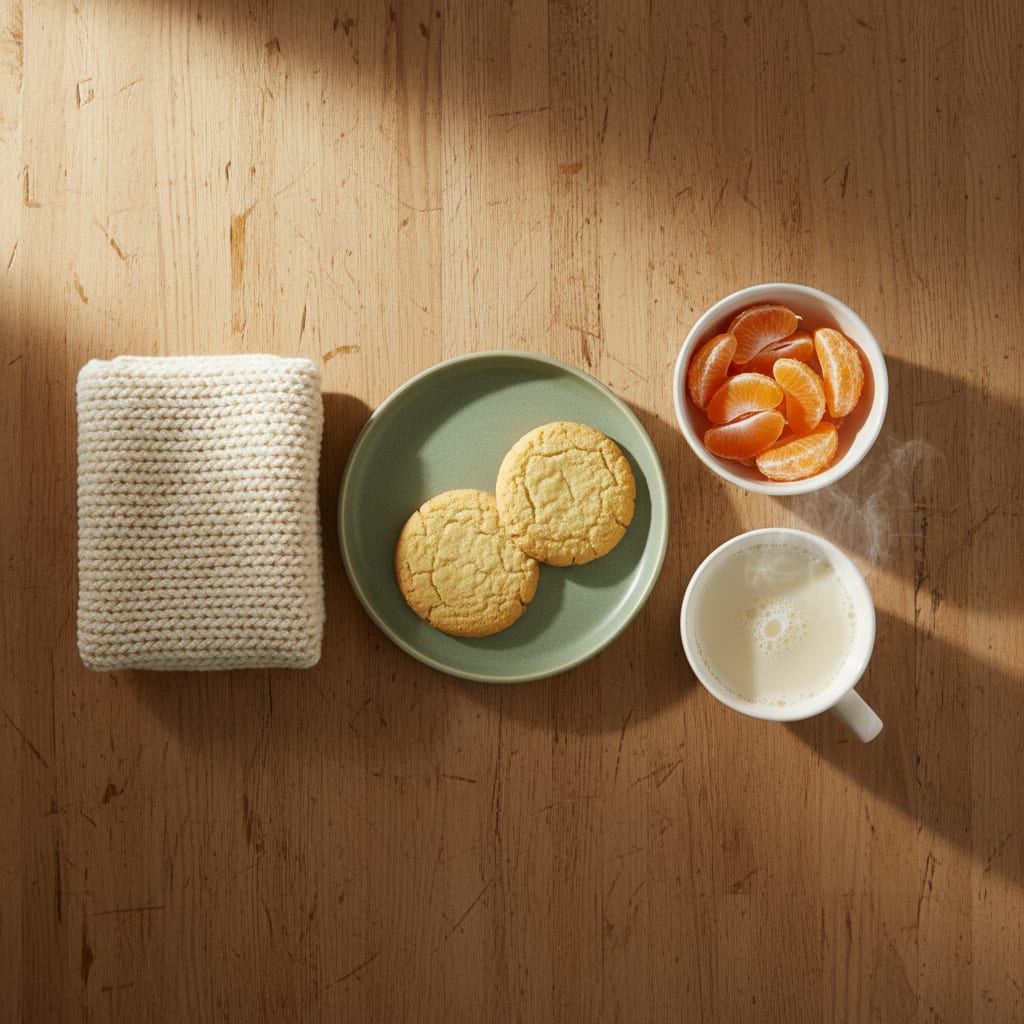
Pick a non-chocolate treat for late in the day. A small cookie, a few pieces of fruit or a mug of warm milk does the job without the caffeine.
Build in a wind-down. After a busy day, children need a quieter half hour before bed whatever they ate. A few minutes with a book, or a cozy spot set up with a cushion and a soft blanket, works well. Betteroo’s guide to a quiet spot for big feelings makes a point that applies to the whole evening: “a play area is exciting, not calming.” Put the new toys away for the night.
If they’re hungry at bedtime, offer something plain rather than more sweets. Our list of bedtime snacks for toddlers has quick options.
Then brush teeth, and keep the rest of the routine the same as any other night.
 Bedtime off the rails after the holidays?
Betteroo builds an age-matched sleep schedule around your child's day, so a late party doesn't undo a whole week of good nights.
Take the sleep quiz →
What to say when Grandma says it’s the sugar
You don’t need to argue. “It’s the party, not the cake” is enough, and it is the friendlier version anyway: it means nobody did anything wrong by handing out cookies. Then get the child somewhere quieter and keep bedtime close to the usual time.
FAQ
Does sugar really make kids hyper?
Not according to blinded studies. A 1995 review of 23 placebo-controlled experiments found sugar “does not affect the behavior or cognitive performance of children.” Excitement, crowds and late nights explain what parents see.
Why does my child seem hyper after candy?
Candy usually comes with an exciting event, a break from routine and a later bedtime. Parental expectations also play a part: mothers told their sons had sugar rated them as more hyperactive, even though no child had any.
Will sugar before bed keep my child awake?
A 2017 study of children aged 8 to 12 found total sugar intake was not linked to sleep problems. Chocolate, cola and iced tea contain caffeine, though, so choose a non-chocolate treat late in the day.
How much candy should kids have on Halloween night?
There is no research-based number. Our rule is two or three pieces after dinner, chosen by the child, with the rest saved for the following days.
Is sugar bad for kids at all, then?
Sugar still matters for teeth and can crowd out real food if treats replace meals. It just does not cause hyperactivity.