Hidden Caffeine in Kids' Food: Pudding, Iced Tea and Cola
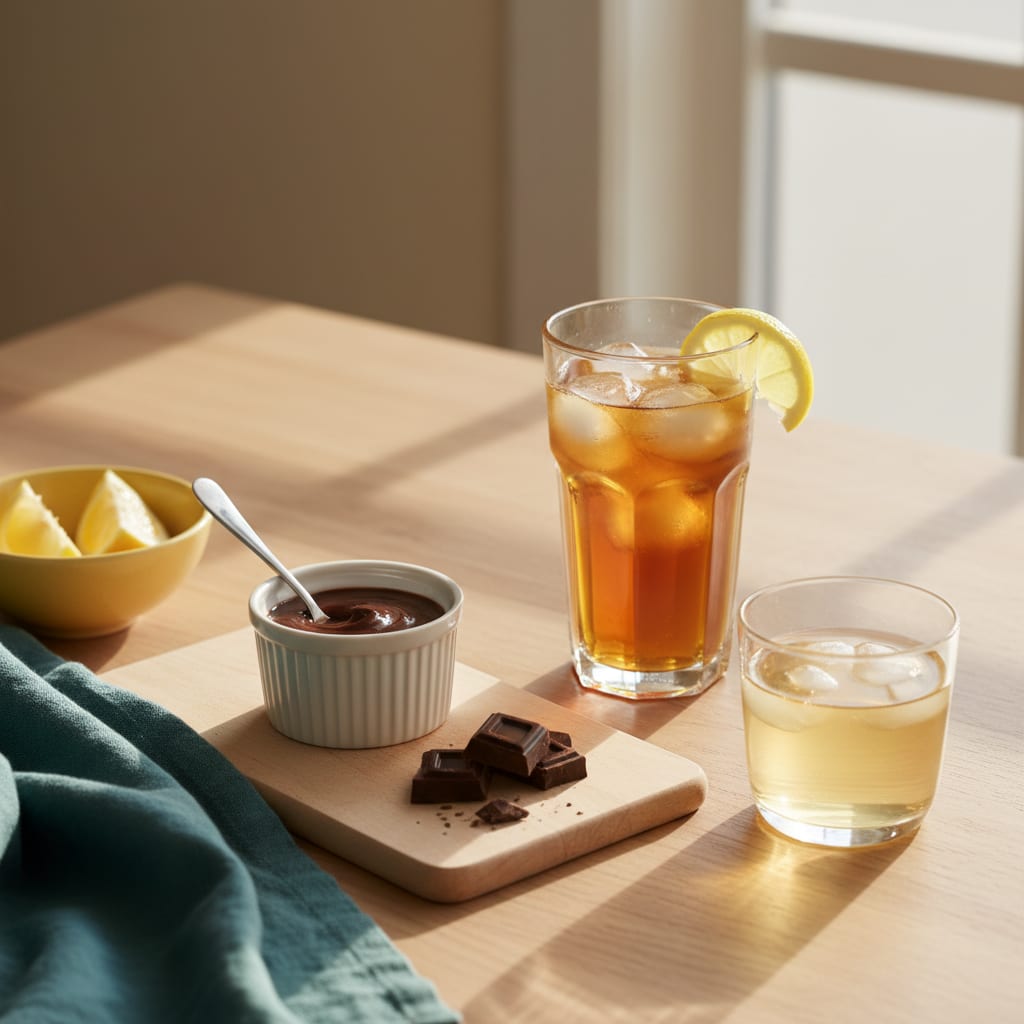
A chocolate pudding cup holds only about 2 mg of caffeine, so it is rarely the problem at bedtime. The drinks are: a 12-ounce can of cola carries about 33 mg, a cup of brewed black tea about 47 mg, and a 16-ounce caffeinated citrus soda about 71 mg, by USDA figures. Dark chocolate is the food to watch, at about 23 mg an ounce for a 70-85% bar. Caffeine peaks in the blood within an hour and its effects can last four to six hours, so anything with real caffeine is best kept off the table from mid-afternoon on. Better still, kids don’t need it at all.
That last point is the official line, not just ours. The American Academy of Pediatrics’ page on recommended drinks for young children says caffeine in young children “increases the risk of poor sleep, irritability, nervousness, headaches, and difficulty concentrating,” and that “all caffeine-containing beverages are best avoided.” The FDA’s consumer page Spilling the Beans adds that the Dietary Guidelines for Americans say drinks containing caffeine should be avoided for children younger than 2.
The trouble is that caffeine rarely arrives as “coffee” in a family kitchen. It comes in as a sip of someone’s cola, a glass of sweet tea at a barbecue, or a square of the good chocolate after dinner.
How much caffeine is in kids’ favorite foods and drinks?
These figures are worked out from the USDA’s FoodData Central SR Legacy dataset (released 2018), which lists caffeine per 100 grams alongside standard serving weights. We multiplied the two and rounded. They are generic, category-level numbers, so a particular brand can sit higher or lower. When a label states caffeine, trust the label.
| Food or drink | Serving | Caffeine (about) |
|---|---|---|
| Chocolate pudding cup, ready-to-eat | 4 oz cup | 2 mg |
| Chocolate pudding from a mix, made with whole milk | ½ cup | 3 mg |
| Chocolate ice cream | ½ cup | 2 mg |
| Chocolate milk | 1 cup | 2.5 mg |
| Hot cocoa, homemade | 1 cup | 5 mg |
| Milk chocolate bar | 1.55 oz bar | 9 mg |
| Dark chocolate, 45-59% cacao | 1 oz | 12 mg |
| Dark chocolate, 70-85% cacao | 1 oz | 23 mg |
| Bottled sweetened lemon iced tea | 1 cup | 24 mg |
| Brewed green tea | 1 cup | 29 mg |
| Cola, regular | 12 oz can | 33 mg |
| Pepper-type soda with caffeine | 12 oz can | 37 mg |
| Diet cola or pepper-type soda | 12 oz can | 43 mg |
| Brewed black tea (homemade iced tea starts here) | 8 oz | 47 mg |
| Bottled black tea, unflavored | 16 oz | 52 mg |
| Citrus soda with caffeine | 16 oz | 71 mg |
| Root beer, brewed chamomile tea, carob | any | 0 mg |
Two things jump out. First, the chocolate desserts children actually eat (pudding cups, chocolate milk, ice cream, cocoa) are all in single digits. Second, the drinks run roughly 10 to 30 times higher per serving. The FDA page puts a 12-ounce caffeinated soft drink anywhere from 23 to 83 mg and 12 ounces of black tea at 71 mg, so the brand you buy matters more than the category.
Which ones matter at bedtime?
Health Canada does put a number on it. It sets a recommended maximum for children of 2.5 mg per kilogram of body weight a day, and notes that the figure rests on limited data. Do the arithmetic for a 40-pound (about 18 kg) four-year-old and the daily ceiling is about 45 mg. One can of cola is most of that. That is a ceiling for the whole day, not a target, and it says nothing about timing.
Timing is where the evening goes wrong. MedlinePlus, the National Library of Medicine’s health site, explains that caffeine reaches its peak level in the blood within one hour and that its effects can last four to six hours. It also notes children “can be especially sensitive to the effects of caffeine.” So a glass of sweet tea with a 5:30 dinner is still working at a 7:30 bedtime.
Here is how we sort it in practice:
- Not worth worrying about: a pudding cup in the lunchbox, chocolate milk at lunch, a scoop of chocolate ice cream. The amounts are tiny.
- Keep them earlier in the day: milk chocolate treats and hot cocoa. Small amounts, but they add up if a child has several.
- Keep them off the dinner table: cola, pepper-type and citrus sodas, iced tea of any kind, and dark chocolate. These are the ones that can push bedtime back.
If your child is waking at night asking for a drink, caffeine is one of the causes worth ruling out. Our post on the toddler who wakes every night asking for water walks through the others.
Where hidden caffeine sneaks in
- Iced tea at gatherings. Sweet tea and bottled lemon tea look like juice to a child and get poured freely at barbecues and parties. A brewed-tea pitcher starts at about 47 mg per 8 ounces before ice dilutes it.
- Grown-ups’ cans. A “sip” of a parent’s diet soda is often several big gulps.
- Sodas that aren’t colas. USDA lists a caffeinated citrus soft drink at about 71 mg per 16 ounces, the highest drink in the table above. Not every clear or orange soda is caffeine-free.
- Dark chocolate and baking chocolate. A few squares of a 70% bar after dinner is a bigger dose than most of the chocolate desserts above put together.
- Coffee-flavored treats. Coffee ice cream and mocha drinks are usually made with real coffee, so read the label before sharing.
The FDA page has a useful label tip: when caffeine comes from an ingredient such as chocolate, caffeine itself may not appear on the ingredient list, but the ingredient (for example, chocolate) will. It also notes that “decaffeinated” does not mean caffeine-free.
Easy swaps that keep the treat
None of this means banning dessert. It means moving the caffeine earlier and choosing a caffeine-free version after about mid-afternoon.
- Iced tea: brew a pitcher of herbal tea instead. USDA lists brewed chamomile and other herb teas at zero caffeine. Sweeten it lightly, or not at all.
- Cola: sparkling water with a splash of juice, or root beer on a party night (USDA’s generic root beer has no caffeine, though it is still a sugary soda).
- Dark chocolate: carob tastes close enough for a lot of kids and has no caffeine. A bag of unsweetened carob drops works in cookies, trail mix or melted over fruit.
- Hot cocoa on a cold night: fine in a small cup earlier in the evening. As the last drink before bed, warm milk is the easier choice, as our post on bedtime when only one room is warm explains.
For the snack itself, our guide to bedtime snacks for toddlers covers what to give and when it actually helps. Betteroo’s age-by-age chart of kids’ sleep also puts caffeine on its short list of everyday things that cut into children’s sleep, next to screens and late meals.

FAQ
Does chocolate pudding have caffeine?
A little. By USDA figures, a 4-ounce ready-to-eat chocolate pudding cup has about 2 mg of caffeine, and half a cup made from a mix with whole milk about 3 mg. That is far less than a can of cola (about 33 mg).
How much caffeine is in iced tea?
It depends on how it is made. Brewed black tea has about 47 mg per 8 ounces before ice. USDA lists bottled sweetened lemon tea at about 24 mg a cup and plain bottled black tea at about 52 mg per 16 ounces. Check the label on any bottle.
Is a little caffeine okay for kids?
The AAP says caffeine-containing drinks are best avoided for young children, and the Dietary Guidelines say to avoid them under age 2. Small amounts from chocolate desserts are hard to avoid entirely; the drinks are where most of the caffeine comes from.
How late can kids have chocolate?
Caffeine’s effects can last four to six hours, according to MedlinePlus. A pudding cup or chocolate milk carries so little that timing barely matters. Dark chocolate and hot cocoa are better kept to the afternoon or early evening.
Does root beer have caffeine?
USDA’s generic root beer entry lists no caffeine. Brands vary, so check the label, and remember it is still a sugary soda.
✳ More From the Kitchen
Lunchbox & Kids
Lunchbox & Kids
Freezer & Meal Prep