Foods That Cause Diaper Rash, and Calmer Nights While It Heals
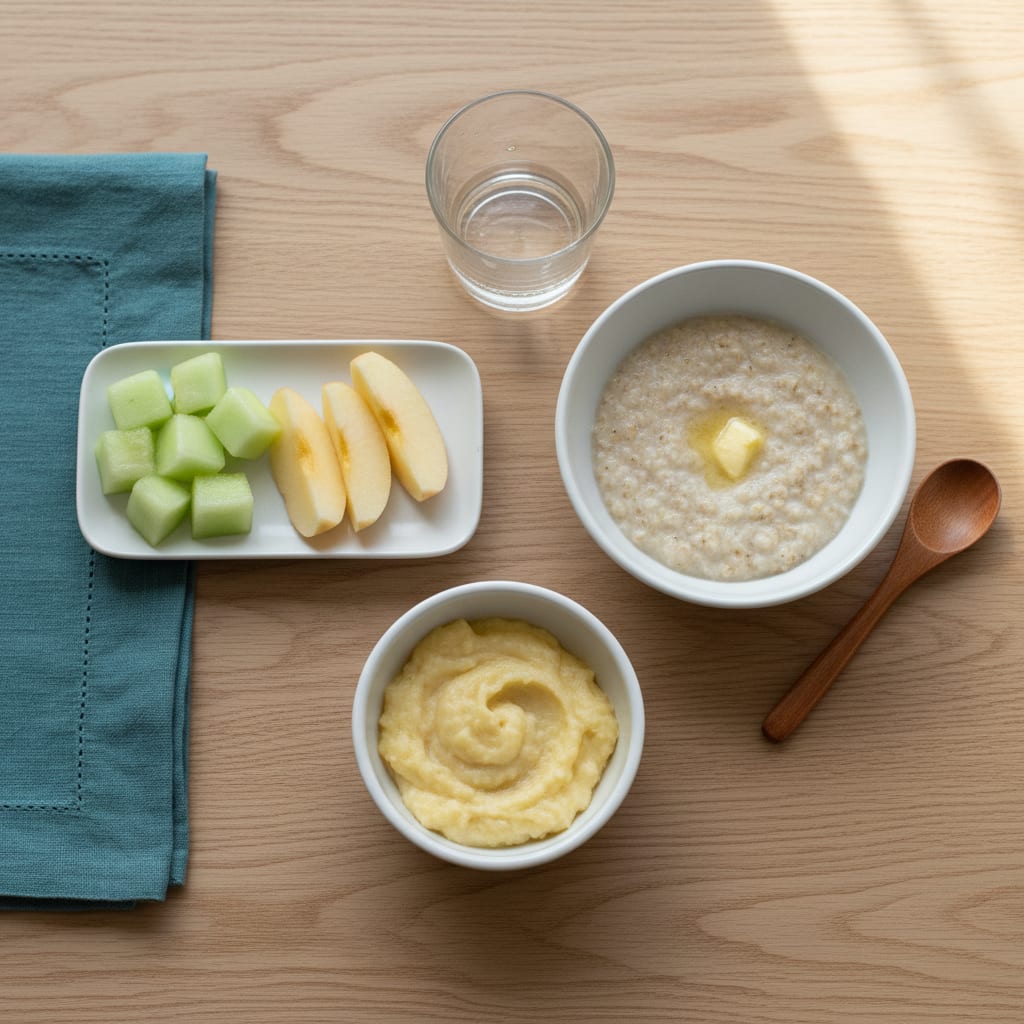
Most diaper rash comes from pee and poop sitting against the skin, not from a food allergy. But new foods change what lands in the diaper, and acidic foods are the usual suspects when a rash shows up after a baby starts solids: citrus, tomatoes and tomato sauce, berries, and tart fruit like pineapple, plums and peaches. Pull those back while the skin heals, keep juice out of the cup, lean on gentle foods like banana, apple, melon and oatmeal, and coat the skin with a thick barrier paste at every change, the last one before bed included. If a rash lasts beyond a few days or comes with a fever, call your pediatrician.
How a new food turns into a sore bottom
KidsHealth, the Nemours site, explains it plainly: “starting new foods can change the content and frequency of a baby’s poop, which can sometimes lead to a diaper rash. And diarrhea can make an existing case of diaper rash worse.” The AAP’s HealthyChildren site makes the same point about irritant diaper rash, the most common kind: the risk goes up when a baby has diarrhea, and stool contains digestive enzymes that “can start to wear away at skin.”
So the food is rarely the rash itself. It changes the poop, and the poop does the damage.
Cleveland Clinic’s pediatric allergist Sandra Hong puts the mechanism in one sentence: a food intolerance “that causes frequent loose bowel movements” will make a baby’s bottom red and sore, “primarily because of the constant cleaning and irritation from frequent diaper changes.” Their guide to diet and diaper rash calls this an intolerance, not an allergy. Hives, swelling or trouble breathing after a food are a different matter and need medical help right away.
The usual suspects, and what to offer instead
Cleveland Clinic names acidic foods as the most common culprits, and says just as clearly that “fruit is off the menu” is the wrong takeaway. Apples, bananas, papayas and melons are, in their words, “still fair game.”
| Pull back for now | Why | Offer instead |
|---|---|---|
| Oranges, clementines, lemon, lime | Citrus is acidic | Ripe banana, melon |
| Tomatoes, tomato sauce, ketchup, salsa | Tomato-based foods are on the list | Butter or olive oil on pasta, plain cheese sauce |
| Strawberries, blueberries | Berries are named culprits | Soft-cooked apple, applesauce, papaya |
| Pineapple, plums, peaches | Tart fruits | Melon, banana |
| Fruit juice of any kind | No place under 12 months anyway (see below) | Water with meals, milk as usual |
Pasta with tomato sauce and a side of berries becomes butter noodles and sliced banana. Nothing here is gone for good. Cleveland Clinic’s advice is to cut back on high-acid fruits and reintroduce them as a baby’s digestive system adjusts. Bringing them back one at a time, a few days apart, is the simplest way to see which one, if any, was the trouble.
Juice is the easiest thing to cut
The AAP’s position on fruit juice for children settles most of this before diaper rash even comes up:
- Under 12 months: no fruit juice at all. It “offers no nutritional benefit” at this age.
- Ages 1 to 6: no more than 4 to 6 ounces a day, and whole fruit is better.
- Never at bedtime, and never as a treatment for diarrhea.
That last point matters here: a sore bottom often arrives with loose stools, and juice is exactly what the AAP says not to reach for. If milk itself is crowding out dinner in an older toddler, that is its own problem, covered in too much milk, not enough dinner.
What to feed while it heals
Bland and familiar for a few days. This is not the week for a new food.
- Breakfast: oatmeal made with the baby’s usual milk, mashed banana stirred in.
- Lunch: soft scrambled egg (if eggs are already in the diet), avocado, toast fingers for older babies.
- Dinner: plain pasta or rice, soft-cooked chicken or beans, steamed carrots or sweet potato.
- Snacks: applesauce, melon, plain yogurt, papaya.
If the rash arrived in the same week you started solids, the starting solids and baby sleep guide covers how to time new foods so that an unsettled tummy lands early in the day, not at 2 a.m.
A bedtime routine for a sore bottom
A rash that stings at every change is one reason a baby who slept well last week suddenly does not. These steps come straight from HealthyChildren, KidsHealth and the NHS, and they fit into the routine you already have.
- Bath first. HealthyChildren says a daily bath helps remove irritants when the diaper area is sore. The NHS says not more than twice a day, and to skip soap, baby lotion and bubble bath, which can irritate the skin.
- Pat, never rub, and give it air. KidsHealth suggests diaper-free time on a large towel on the floor so the skin can dry.
- Paste on thick. HealthyChildren calls barrier paste “a shield”: zinc oxide or petrolatum, fragrance-free if you can, applied “like icing on a cupcake.” A thick zinc-oxide paste such as Desitin Maximum Strength is one example of the type.
- The most absorbent diaper, a little loose. HealthyChildren says to choose a highly absorbent diaper, and to make sure it “isn’t too tight, especially overnight.” If you use cloth, they suggest disposables until the rash heals.
- Change at night when the diaper is dirty. The NHS advice is to change wet or dirty nappies as soon as possible.
Two details from HealthyChildren make those night changes faster and less painful. If the paste is not soiled, leave it on and add more on top rather than wiping it off. When the skin is raw, rinse with a squirt bottle of water instead of wiping.
If the rash is not improving, look closely at where it sits. A rash that settles into the skin folds with small red spots at the edges may be yeast rather than irritation. Betteroo’s guide to telling an ordinary rash from a yeast one shows the difference side by side, and yeast needs your pediatrician, not more barrier cream.

When to call the doctor
HealthyChildren says to contact your pediatrician if:
- the rash is not going away, or is getting worse, after two to three days of treatment
- it has pimples, peeling skin, blisters, or pus-filled, oozing or crusty sores
- your baby is on an antibiotic and develops a bright pink or red rash with red spots at the edges
- the rash is especially painful
- your baby has a fever as well
The NHS adds a baby who seems very uncomfortable, or a rash that spreads. A doctor may prescribe a cream; follow the instructions you are given. HealthyChildren warns against over-the-counter antibiotic ointment, and the NHS against talcum powder and antiseptic creams.
FAQ
What foods cause diaper rash in babies?
Acidic foods are the most common culprits once solids start: citrus, tomatoes and tomato sauce, berries, and tart fruits like pineapple, plums and peaches, according to Cleveland Clinic. Any new food can change a baby’s poop enough to irritate the skin, and diarrhea makes an existing rash worse.
Is diaper rash from food an allergy?
Usually not. Cleveland Clinic describes it as an intolerance: the food loosens stools, and the poop and frequent wiping irritate the skin. A food allergy tends to show up as hives, swelling, vomiting or trouble breathing, and that needs medical attention right away.
Can apple juice cause diaper rash?
Apples are on Cleveland Clinic’s “still fair game” list, so apple juice is not a classic acidic trigger. The juice question is settled anyway: the AAP says no juice at all under 12 months, none at bedtime at any age, and never juice as a remedy for diarrhea, which is often what arrives with a food-related rash.
Why does diaper rash wake my baby at night?
A rash stings when it is wet, wiped or rubbed by a tight diaper, so a soiled diaper overnight hurts more than usual. A thick layer of barrier paste at the last change, a slightly looser absorbent diaper, and prompt changes when the diaper is dirty all help.
✳ More From the Kitchen

Lunchbox & Kids
Freezer & Meal Prep
Lunchbox & Kids
Hand, Foot and Mouth: What to Feed a Child With a Sore Mouth