Changing the Family Diet: Dinner Changes That Hit Bedtime
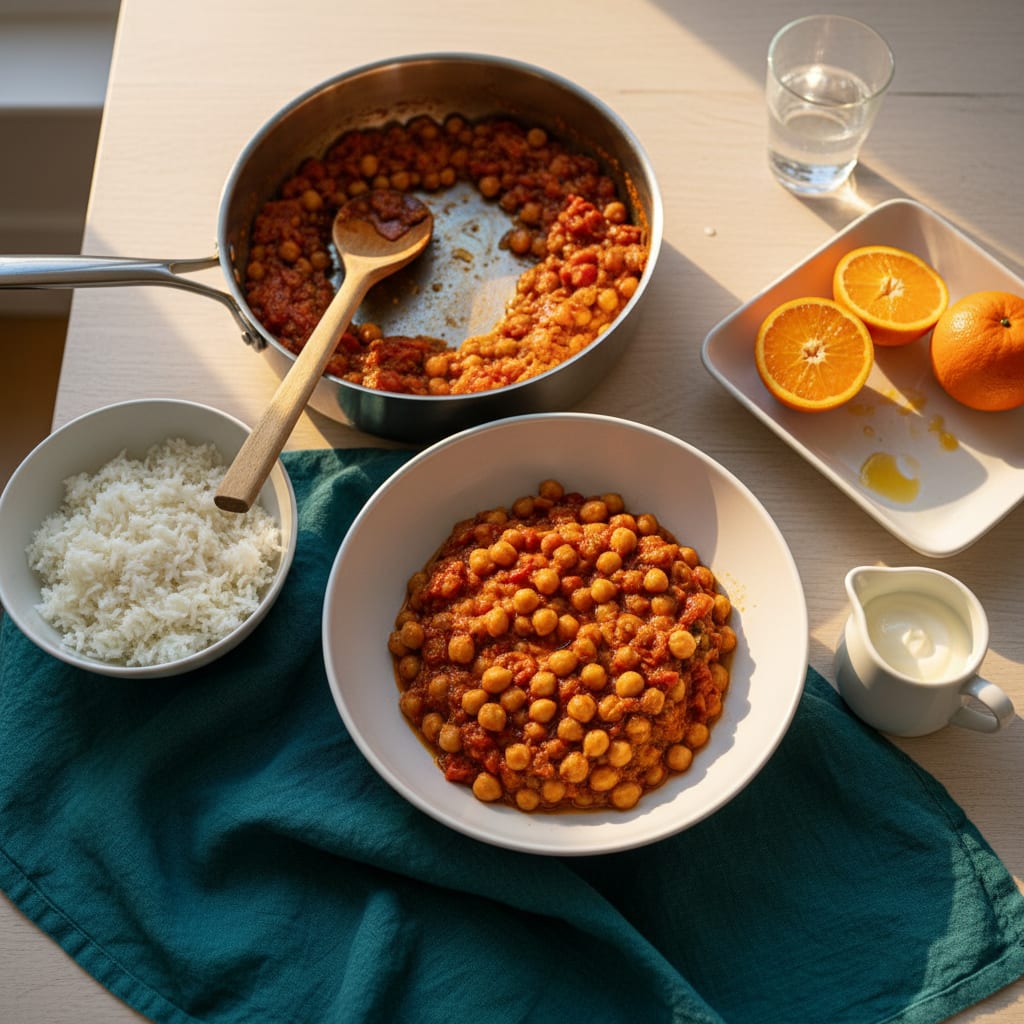
When a household changes how it eats, protect the children’s calories and change one meal at a time — most of the sleep trouble in that first week comes from a child going to bed on a smaller dinner than anyone realised they’d eaten. A plate that swaps meat for beans, or white pasta for wholegrain, can look identical and carry a good deal less energy into a small stomach. That doesn’t show up at 8pm. It shows up at 5am. Fix the plate, hold bedtime where it was, and the week is mostly uneventful.
The mistake almost everyone makes is treating this as a nutrition project when week one is really a portion problem.
Why the switch lands at bedtime rather than at dinner
A child who is a bit underfed at dinner rarely complains at dinner. They’re busy, they want to get down, and the plate goes back looking reasonable. The shortfall turns up four to nine hours later — a longer settle, a wake-up at two or three, or an unusually urgent early start. By then nobody is thinking about the lentil bake. They’re thinking about teeth, or a growth spurt, or whether the routine has stopped working.
There’s a second, quieter mechanism: new food gets eaten less. The NHS says it can take “up to 10 tries, or even more” for a child to get used to a new food, flavour or texture. On night one of a menu change you aren’t serving a dinner, you’re serving a first try — and a first try is a small dinner whatever is on the plate.
Fibre is the change that bites first
Almost every sharp diet change raises fibre. Meat out, pulses in; white bread and pasta become wholemeal; brown rice replaces white. For adults that’s the point of the exercise. For a small child it’s the likeliest thing to cost you a night.
The NHS puts it plainly: high-fibre foods “can fill up small tummies, leaving little room for other foods. This means your child can feel full before getting the calories and nutrients they need.” Its guidance is not to give only wholegrain foods before a child is 2, or only high-fibre foods before they’re 5, and to increase wholegrains gradually.
For scale, it puts daily fibre needs at about 15g for 2 to 5-year-olds, about 20g for 5 to 11-year-olds and about 25g for 11 to 16-year-olds — well under the adult target the rest of the household is chasing. Swap every starch in the cupboard on one Sunday and you’ve roughly doubled the children’s fibre overnight.
So keep white pasta, rice and bread in the house for the under-5s for a few weeks and phase them across one at a time. If the change goes the other way and a young child simply stops going, Betteroo’s rundown of what to try when a small child gets bunged up covers the sensible first steps.
Replace the calories, not just the protein
The usual swap is protein-for-protein: chicken out, chickpeas in. That’s a fair nutritional trade and a poor energy one, because the fat left with the chicken and nothing replaced it. Put it back deliberately:
- Add a fat to every meatless dinner — olive oil through the pasta, a spoon of tahini or peanut butter in the sauce, avocado on the side, full-fat yoghurt on the curry.
- Keep a dense starch on the plate, not just vegetables. Potatoes, white rice, couscous, bread and butter.
- Don’t let the vegetable count rise while the plate weight falls. Three sorts of roasted vegetable is not dinner for a four-year-old.
- Add a sweet-ish component if intake has dropped — stewed fruit with yoghurt goes in more easily than another forkful of the main.
On nutrients, the NHS lists good vegetarian iron sources as pulses, dried apricots, dark green vegetables, wholemeal bread, fortified cereals and nuts, and advises including “some vitamin C with your meal to help your body absorb iron.” For B12 it names milk, cheese, eggs, fortified yeast extracts, fortified cereals and fortified soya and dairy alternatives. If dairy and eggs are both going, that’s a question for your GP or a dietitian rather than a blog.
Change one meal at a time, and make it lunch
Don’t launch a new way of eating at dinner. Dinner is closest to bedtime, it’s the meal you have least patience for, and a refusal there costs you the whole evening. Run the change at lunch or at weekends for a fortnight instead: you learn which versions get eaten at a time of day when a failure means a hungry afternoon, not a 3am wake-up. Then promote the winners.
The same goes for the cooking. A new eating plan arrives with unfamiliar recipes and more chopping, and dinner quietly slides forty minutes later for a week while you learn them — a slide that costs more sleep than the food does. Build the first fortnight from three or four dishes you can cook without reading, and save the ambitious ones for a Saturday.
Two swaps worth having ready before you start: a workable substitute for milk in mac and cheese if dairy is what’s going, and pancakes without eggs for the breakfast that suddenly doesn’t work.
Hold the routine still while the food moves
One variable at a time is the trick. If the food is changing, nothing else should be — same bedtime, same order, same last step, same person. A child reading a strange dinner as “something is different here” will read a shuffled routine the same way, and the two compound. Which means resisting three tempting adjustments:
- Don’t move bedtime later to make room for a slow, negotiated dinner. Serve the new dinner earlier instead.
- Don’t drop the bedtime snack in the same week. It’s doing more work than usual right now.
- Don’t add a new rule about finishing the plate. Pressure and novelty together land much worse than either alone.
If the routine is shaky, Betteroo’s step-by-step toddler bedtime routine is worth locking down before the food changes rather than during. And if meal times are moving rather than just menus, keeping kids’ meal times fixed when the adults’ shift is the same problem with the clock added.
When they just won’t eat the new dinner
Some nights the new dinner loses, and what you decide at 6:15 sets up 2am. Never send a child to bed on a dinner they barely touched to make a point.
Have a fallback that is boring, fast and consistent with the new way of eating — beans on toast, a jacket potato with butter, porridge. Four minutes, the same one every time so it doesn’t become more attractive than dinner, offered without commentary. Then move the pressure: serve the rejected dish again in three days, at lunch, in a smaller quantity, beside something they like. That’s the tenth-try process working, and it doesn’t cost a night.
If dinner runs very late while you find your feet, the short version of the bedtime routine beats a rushed full one — cut the length, never the order.
FAQ
How long does the sleep disruption usually last? If it’s a calorie problem, it clears within a night or two of fixing the plate — that’s the useful diagnostic. Disruption still running two or three weeks after intake recovered is probably not about the food, and is worth treating as a sleep question in its own right.
Can a young child be vegetarian? Yes, with attention paid to it. The NHS advice is that if you’re bringing up a child on a vegetarian diet, “you need to make sure they eat a wide variety of foods to provide the energy and vitamins they need for growth.” Vegan is a bigger step, particularly under 5, and worth running past a health professional rather than a recipe blog.
We only cut dairy. Is that enough to affect sleep? It can be. Cheese, whole milk and yoghurt carry a lot of energy in a small volume, and the plant alternatives replacing them often carry much less. Check the plate weight and add fat back if it has dropped.
Should I change breakfast at the same time? No. One meal at a time, starting with the one furthest from bedtime — breakfast changes last, because a poor breakfast plus a new dinner makes for a long day.

Sources: NHS — common questions, feeding young children, meal ideas, vegetarian diet, fibre.
✳ More From the Kitchen

Lunchbox & Kids
Lunchbox & Kids
Kitchen How-Tos