Meal Prep for a Week on a Budget: A 5-Step Plan
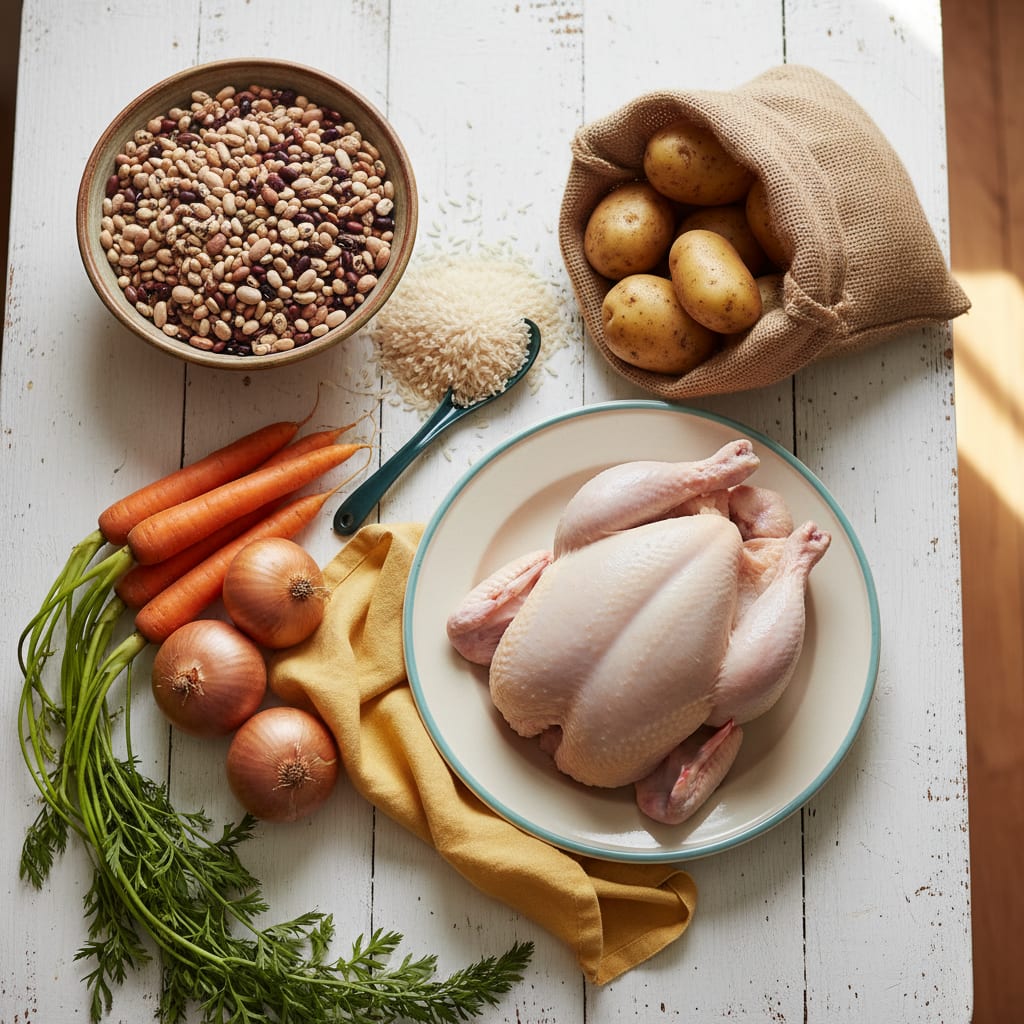
Budget meal prep works in one direction: the sale decides the menu, not the other way round. Pick the two proteins that are marked down this week, build every dinner around a cheap anchor starch, buy to a portion chart instead of by feel, cook components rather than finished meals, and freeze whatever the week doesn’t eat. That order matters. Choosing five recipes and then shopping for them is how a “budget” week ends up costing more than winging it, because you’re buying whatever those recipes demand at whatever it costs today.
Nothing below tells you what anything costs — prices swing by region and by week. What travels is the method.
Shop the flyer before you plan anything
Look at what’s discounted this week, then write the menu. In most stores that means checking three things: the meat markdowns, the produce that’s in season, and the pantry staples on a multi-buy.
Two rules keep this honest:
- A discount on something you wouldn’t otherwise buy isn’t a saving. Half-price salmon is only cheap if your family eats salmon.
- Bulk only counts if it gets eaten. A big bag of anything that goes off in the crisper is the most expensive food in the house.
Whole chickens, dried beans and lentils, eggs, rice, pasta, oats, frozen vegetables, cabbage, carrots, onions and potatoes are the ingredients that are almost always among the cheapest per serving, in almost every store, all year. That’s your backbone. The sale flyer just tells you which flavors get bolted on this week.
Anchor every dinner to a cheap base
Pick three anchors for the week and rotate them, so one shop feeds five dinners without five separate ingredient lists:
| Anchor | Feeds | Turns into |
|---|---|---|
| Big pot of rice | 4–5 dinners | Burrito bowls, fried rice, rice-and-beans, soup base |
| Pot of dried beans | 3–4 dinners | Chili, tacos, soup, mashed on toast |
| Whole roast chicken | 2–3 dinners | Roast night, then shredded into everything |
| Pound of pasta | 2 dinners | Bakes, one-pot sauces, cold lunch salads |
| Dozen eggs | 2 dinners + breakfasts | Frittata, breakfast-for-dinner, fried rice topper |
| Bag of potatoes | 2–3 dinners | Baked potato night, hash, soup thickener |
Dried beans are the biggest single lever here. They cost a fraction of canned per serving, they freeze beautifully in their own liquid, and one overnight soak plus an hour of simmering gives you enough protein for most of a week. Cook the whole bag, not a cup.
A whole chicken is the other one. Roast it Sunday, eat it as a dinner, then strip the rest — our rotisserie chicken dinners roundup works identically with a bird you roasted yourself, and the carcass makes stock while you clear the table.
Buy to a portion chart, not to a feeling
Over-buying is the quiet leak in most budget weeks. It doesn’t feel like waste at the checkout — it feels like being prepared — and then a third of it goes soft in the fridge.
Dry-goods portions per adult, per meal, that we use as the default:
- Rice: roughly 1/2 to 2/3 cup dry, which triples in the pot.
- Pasta: roughly 2 oz dry for a side, 3–4 oz for a main.
- Dried beans: roughly 1/4 cup dry, which roughly doubles.
- Potatoes: roughly 1/3 to 1/2 lb per adult, more for mashed.
- Meat as the star of the plate: roughly 1/3 lb raw per adult. As an ingredient in a sauce or a bake, half that.
Kids under about eight generally eat half an adult portion, and teenagers eat more than you do. The full scaling maths for the two staples that come up constantly are in how much rice per person and how much pasta per person — those charts exist because guessing on rice is how you end up with four days of leftover rice nobody wants.
The second half of that rule: stretch the expensive ingredient rather than buying more of it. A pound of ground beef feeds four as burgers and eight as chili, because the beans, rice and vegetables do the volume. Meat as a flavoring rather than a centerpiece is the single biggest structural saving available to a family kitchen.
Cook components, not five finished meals
Sunday-afternoon meal prep usually gets sold as five identical labeled containers. For a family, that’s the version most likely to fail — kids get bored by Wednesday, and one changed plan wastes two meals.
Prep the parts instead:
- A pot of the anchor starch — rice, or pasta undercooked by two minutes.
- A pot of beans, drained into portions with a little of their liquid.
- One cooked protein — shredded chicken, browned seasoned beef, or a tray of roasted sausages.
- A tray of roasted vegetables, whatever was cheapest, all on one sheet pan.
- One sauce or dressing that ties several nights together — a jar of tomato sauce, a peanut-free satay, a garlicky yogurt.
That’s about two hours, and it yields burrito bowls, a pasta bake, fried rice, soup, and a sheet-pan dinner without you deciding on Tuesday what Tuesday is. If you’re new to working this way, freezer meal prep for beginners covers the container and cooling side of it.
Where the freezer saves actual money
The freezer’s job in a budget week is not to store finished dinners. It’s to stop food dying.
- Portion and freeze the surplus the day you cook it, not on day four when it’s marginal.
- Freeze the sale meat in dinner-sized portions the day you bring it home. Buying the family pack only saves money if you break it down before it freezes into a brick.
- Bank the odds and ends — half an onion, the last of the stock, a cup of beans, the chicken carcass. A soup bag in the freezer turns Friday into a free dinner.
- Freeze bread and tortillas. They’re the two things households throw away most, and both freeze with essentially no penalty.
FAQ
How much does meal prep for a week actually cost?
It depends entirely on where you shop and what’s on sale, which is why no honest plan gives you a single number. What you can control is the structure: cheap anchor starches, one or two proteins bought on markdown, and portions measured rather than guessed. Track your own total for two weeks and you’ll have a real baseline for your store.
What are the cheapest foods to meal prep with?
Dried beans and lentils, rice, pasta, oats, eggs, whole chickens, frozen vegetables, cabbage, carrots, onions and potatoes are near the bottom of the cost-per-serving list almost everywhere. Build the week from those and treat everything else as a flavoring.
Is it cheaper to meal prep or cook fresh each night?
Prepping is usually cheaper, mostly because it cuts waste and cuts the weeknight takeout decision. Cooking one pot of rice and one pot of beans for the week uses less energy and less of your patience than five separate starts from zero.
How long does a week of meal prep keep?
Cooked leftovers keep about three to four days in the fridge. So prep for four days, and freeze the last portions on day one rather than hoping they’ll survive to Friday.
Do I need special containers?
No. Any lidded container works, and reused jars and takeout tubs are fine. What matters more is portion size — single servings cool faster, reheat evenly, and stop the family eating three days of food on Monday night.
✳ More From the Kitchen
Lunchbox & Kids
Kitchen How-Tos
Kitchen How-Tos